Brawl Stars · GTM Concept
The BrawlHouse
An interactive lore experience that gives players a reason to come back between updates — and a reason to share.
An interactive lore experience that gives players a reason to come back between updates — and a reason to share.
The Problem
Brawl Stars ships a major update every 5–6 weeks. Each one is a marketing moment: Brawl Talk drops, creators post, the community reacts. And then, by week two, engagement is back at baseline.
Players get the update information. They just don't get to interact with it. There's no mechanism for organic engagement between update cycles — no reason to keep coming back, no hook for community theory-crafting or UGC.
The Precedent
For Brawl Stars' 5th anniversary, Supercell built an interactive Starr Park CCTV experience. Players monitored live footage, found hidden timecodes, and unlocked story drops. It became the biggest organic engagement moment in Brawl Stars history.
The BrawlHouse takes that same lore-discovery instinct and makes it conversational — and repeatable every season.
Source: Supercell published figures
The Concept
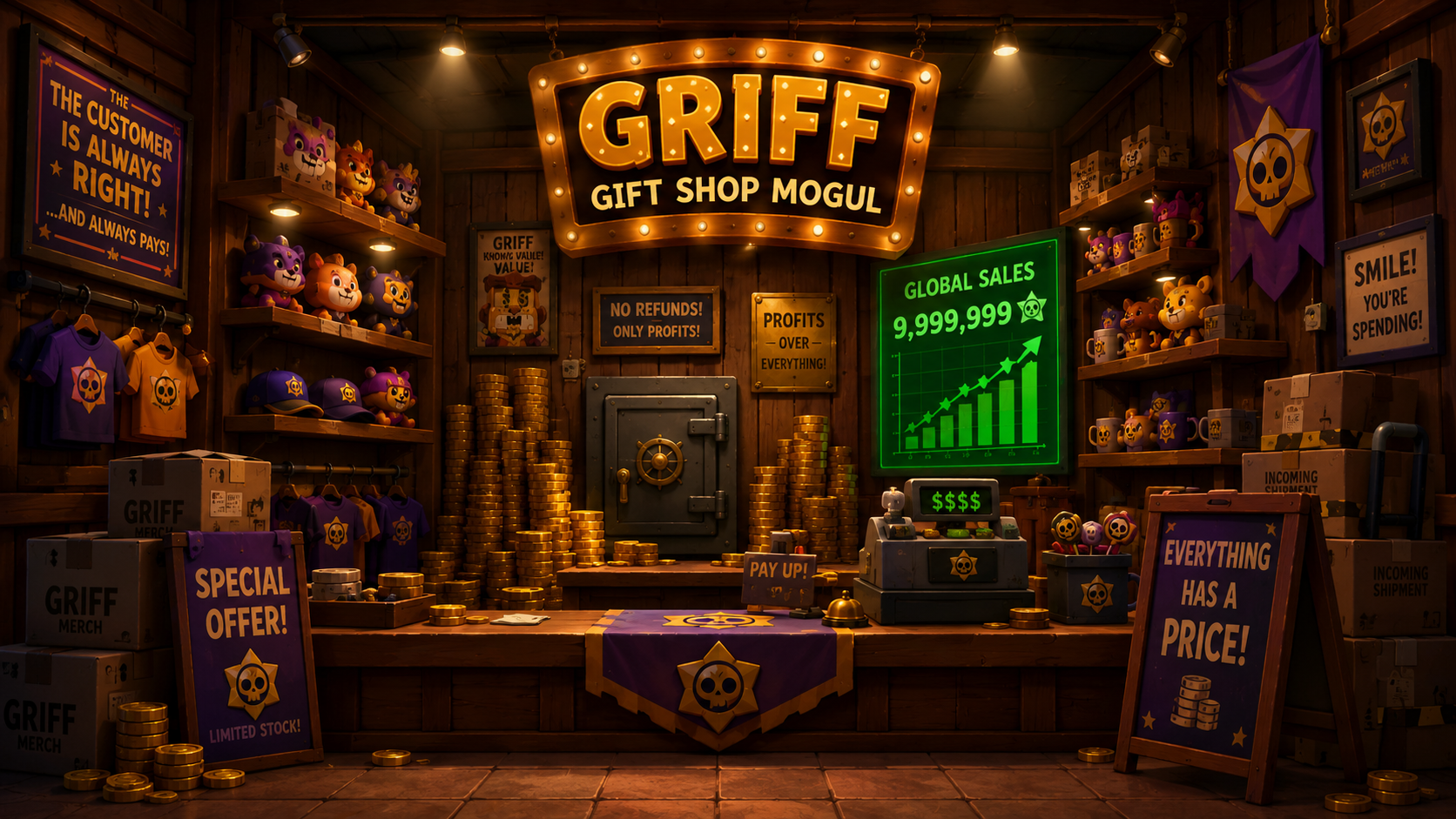
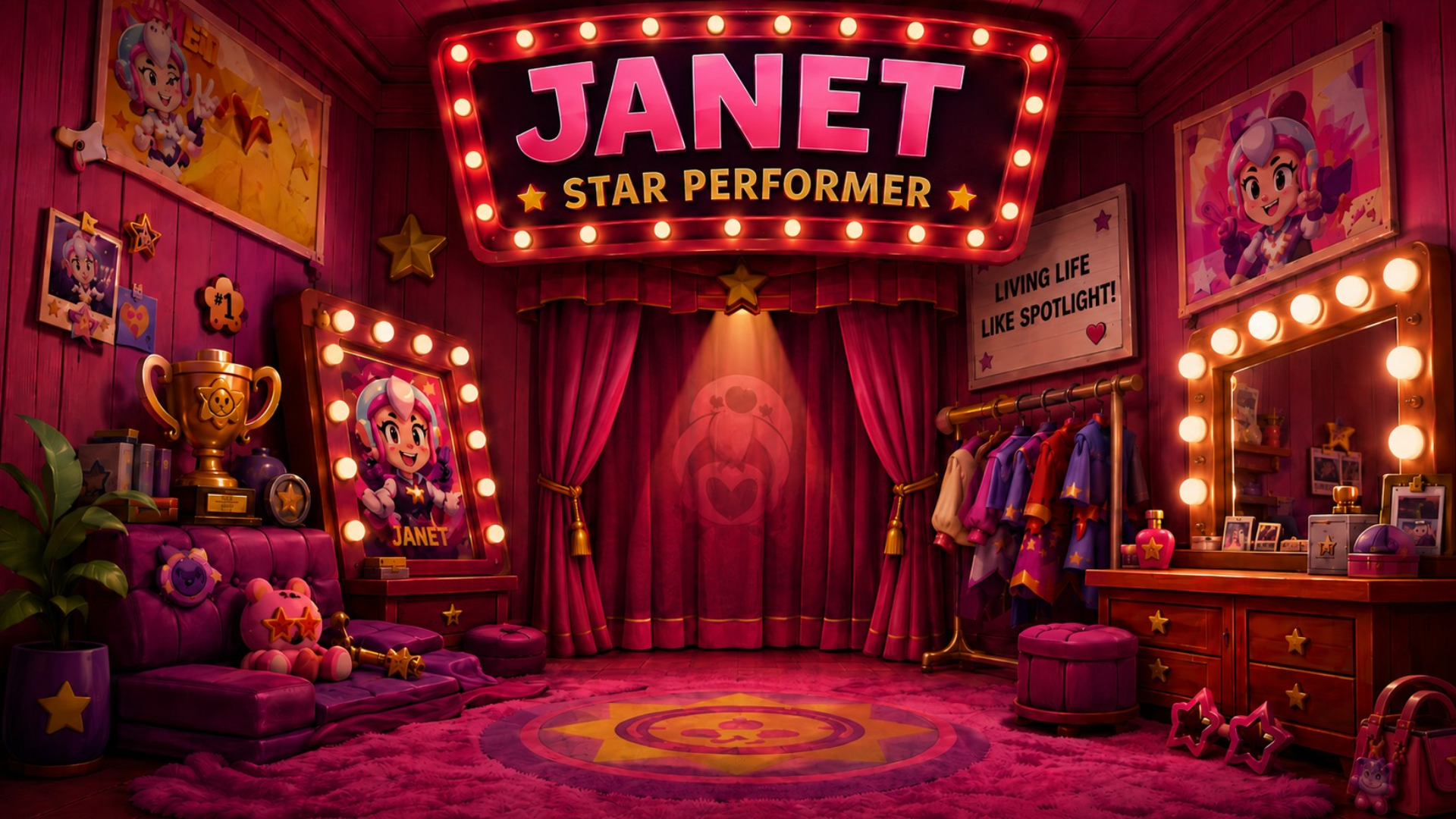
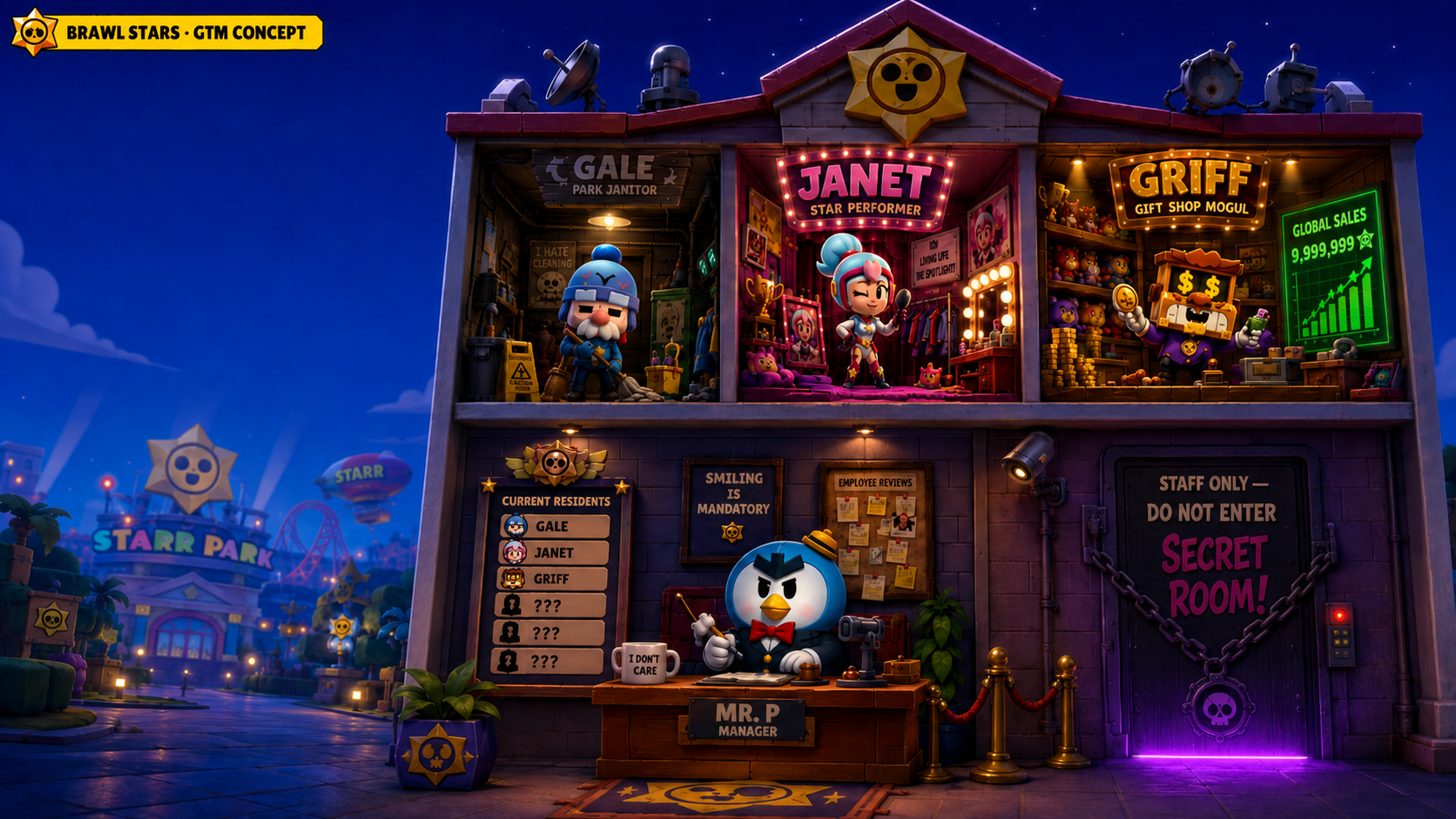
The BrawlHouse is a browser-based experience that lives outside the game. Each season, 3–4 Brawlers are in residence. Players visit their rooms, ask questions freely, and piece together what's really going on at Starr Labs — no Brawler has the full story.
No download. No account required to browse. Powered by AI voice agents, with Supercell ID login to unlock full interaction.
Each Brawler is an AI agent with a locked character brief. Players ask questions freely — the Brawler responds in character, hints at lore, and deflects what they're not supposed to reveal.
A new roster of Brawlers checks in each season, tied to the current update. The permanent cast — Mr. P at the front desk — ensures continuity and onboarding.
No single Brawler has the whole picture. Players have to talk to everyone, share findings on Reddit and Discord, and theory-craft to piece together what Starr Labs is actually doing.
Super Creators each receive a unique lore fragment. No one creator has all the clues. The community has to collaborate to unlock Dr. Wendy's research archive.
Working Prototype
Rather than pitch the concept in slides alone, I built a working prototype with four playable characters, room backgrounds, a dialogue engine, and the full mystery narrative.
How It Works
Player clicks a link from social, creator content, or an in-game IAM or news article. No download or login required to explore the building.
Mr. P greets players, explains who's in residence, and prompts them to choose a room. He also handles the Supercell ID login prompt for players who want to interact with Brawlers.
Players choose text or voice. Each Brawler responds in character — sharing lore hints, deflecting questions they're not supposed to answer, and referring players to other residents.
No single conversation gives the whole picture. Players share screenshots on Reddit and Discord, compare what different Brawlers said, and build theories together.
Super Creators hold unique lore fragments. When the community pools the clues, they can unlock the Secret Room — Dr. Wendy's hidden research archive, hosted on fankit.supercell.com.
The Creator Layer
Super Creators each receive one unique lore artefact — a physical or digital fragment that contains part of the access code to the Secret Room. No two are the same. You can't unlock the room alone.
This gives creators an organic reason to make content without a brand brief: they have something exclusive, their audience wants to see it, and the community needs everyone's fragment to progress. The campaign runs itself.
Each Super Creator receives one of these — distributed under embargo until Brawl Talk day.
What Success Looks Like
The CCTV experience set the benchmark: 89M visits, 8,500+ videos, 130M+ views, $0 media spend. The BrawlHouse is a lower lift to build — and designed to run every season, not once.
Full Strategy Deck
The full deck covers cross-team execution, GTM timeline, in-game integration touchpoints, AI safety guardrails, the monetisation layer, and a phased prototype-to-launch roadmap.